-
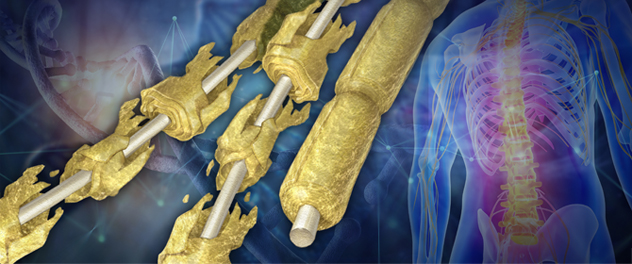
Restoring damaged nerves
The research of Dr. Windebank's Regenerative Neurobiology Lab focuses on repairing nerve cells damaged by chemotherapy drugs, spinal cord and peripheral nerve injuries, and amyotrophic lateral sclerosis.
-
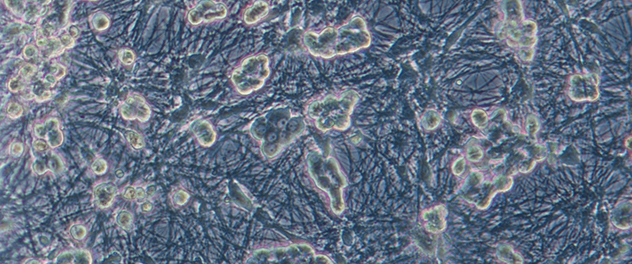
Understanding peripheral neuropathy
The Regenerative Neurobiology Lab grows nerve cells in a dish to understand the mechanisms of chemotherapy-induced neuropathy and screen for drugs that will protect nerves from damage.
-
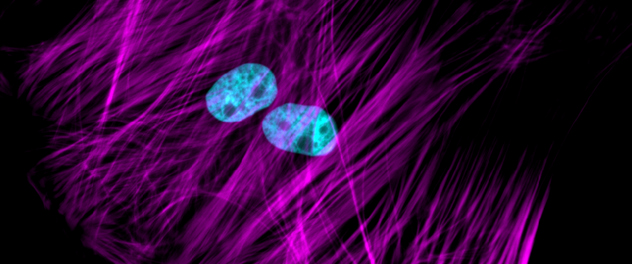
Therapeutic mesenchymal stromal cells
The Regenerative Neurobiology Lab uses mesenchymal stromal cells to protect nerve cells and deliver therapies that support nerve regeneration.
-
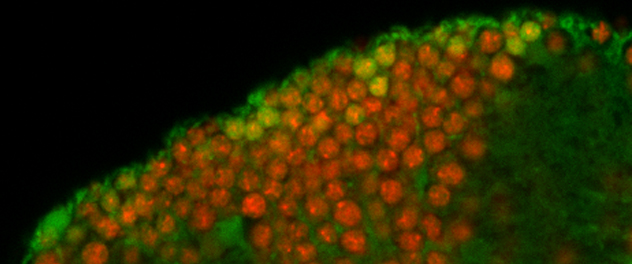
Flies help unravel human disease
Dr. Windebank's team studies the effects of drugs on fruit fly brains and behavior to understand the genetic risk factors for chemotherapy-induced peripheral neuropathy.
-
![Spinal nerves [red] grow through scaffolding supported by cells [green] and myelin insulation [blue] after spinal cord injury.](/-/media/kcms/gbs/research/images/2019/02/06/17/42/regen-neurobio-lab-windebank-632x264-10.jpg)
Scaffolds support nerve regrowth
After spinal cord injury, spinal nerves (red) grow through scaffolding supported by cells (green) and myelin insulation (blue).
-
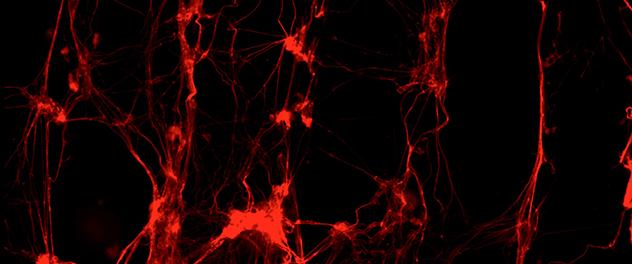
Nervous system repairs
Dorsal root ganglion neurons (red) grow on a ridged synthetic biopolymer scaffold.
Overview
The Regenerative Neurobiology Laboratory led by Anthony J. Windebank, M.D., seeks to understand the cellular mechanisms underlying injury and repair in the nervous system. There are four major disease areas:
The lab studies these conditions using state-of-the-art technology that includes genetic epidemiology, model systems, cell and molecular biology, and multiple forms of imaging.
The lab also develops and leads clinical trials using cell-based therapy and tissue engineering approaches to treating neurological disease. Extensive collaborations with the Center for Clinical and Translational Science (CCaTS) and the Center for Regenerative Biotherapeutics facilitate this work.
Dr. Windebank's lab research includes repair and regeneration after peripheral nerve or spinal cord injury, treatment of ALS, and the mechanism of neuronal cell death caused by chemotherapeutic agents. His lab coordinates the research activities of a multidisciplinary team, with specialists from neuroscience, biochemistry and molecular biology, physiology and biomedical engineering, neurology, neurosurgery, physical medicine and rehabilitation, orthopedics, and Mayo Clinic Comprehensive Cancer Center — Research.
Affiliations
Mayo Clinic research groups and programs affiliated with the Regenerative Neurobiology Lab include: