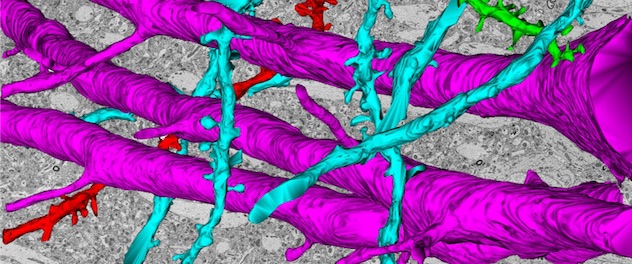
 Discovering new treatments
Researchers in the Department of Molecular Pharmacology and Experimental Therapeutics at Mayo Clinic identify and develop new treatment options for a wide range of diseases. Using cutting-edge technologies, they advance the treatment of cardiovascular diseases, neurological and psychiatric conditions, and cancer.
Overview
The Department of Molecular Pharmacology and Experimental Therapeutics is the academic home for basic and translational scientists who study diseases and their treatment at the cellular and subcellular level. Department members share a passion for identifying pathways and processes that can serve as targets for a variety of therapeutic modalities.
Faculty members in the Department of Molecular Pharmacology and Experimental Therapeutics are pursuing research opportunities across Mayo Clinic. The department has labs on Mayo Clinic's Arizona, Florida and Minnesota campuses.
Molecular research to improve patient care
Research in the department has been designed to improve treatments for a wide range of diseases. Research and training grants from the National Institutes of Health, the National Science Foundation and the Department of Defense, as well as from the pharmaceutical and biotechnology industry, heavily support the department's research programs.
Areas of research emphasis include:
- Cancer pharmacology. Which signal transduction pathways does cancer alter, and what is the therapeutic impact of interrupting those pathways?
- Cardiovascular pharmacology. What are the causes and effective treatments of congenital cardiac conditions, including arrhythmias, structural defects and heart failure?
- Regenerative pharmacology. Can principles of regenerative medicine be applied to minimize or reverse the effects of cardiac and neurological damage?
- Pharmacology of addiction and behavior disorders. What is the biology underlying alcohol use disorder alone and in combination with other addictions? Can gene therapy be used to treat cocaine addiction?
- Individualized medicine. Can a combination of pharmacogenomics, metabolomics and artificial intelligence (AI) help healthcare professionals prescribe the right drug at the right dose to each patient?
- AI and systems pharmacology. Can systems-biology approaches provide new insight into disease states that will help identify novel therapeutic targets for intervention? Applying AI and using digital devices helps predict disease episodes, allowing for better interventions at the right time.
For more details, see our focus areas and research interests of our faculty.
Integrating research and education
Training the next generation of researchers is woven into the fabric of the Department of Molecular Pharmacology and Experimental Therapeutics. Ph.D. and M.D.-Ph.D. candidates, as well as postdoctoral trainees, including Ph.D. research fellows and clinical trainees, work with primary and joint faculty members in the department.
Those joining a lab in the department have an opportunity to become a member of a multidisciplinary team tackling therapeutic issues such as:
- Drug resistance in ovarian, breast, pancreatic and lung cancers.
- Cardiac regeneration after myocardial infarction.
- Individual variation in response to antidepressants, or heart failure or cancer treatment.
- New ways to treat neurodegenerative and behavior disorders.
Team members also could work on solutions to therapeutic challenges such as:
- Applying genetic, cell biology and pharmacological approaches to understand drug mechanisms of action.
- Developing a new class of agents to treat chronic diseases, including Alzheimer's disease, heart failure, cancer and addiction.
- Developing machine learning and AI tools to help us understand biological systems and predict therapeutic response.
If a team does not exist, our collaborative atmosphere and treatment-centered focus will likely provide an opportunity to build a team to support a team member's research.
Department leadership
- Liewei Wang, M.D., Ph.D., is the chair of Mayo Clinic's Department of Molecular Pharmacology and Experimental Therapeutics, the Bernard and Edith Waterman Director of the Pharmacogenomics Program in the Center for Individualized Medicine, and a professor of pharmacology at Mayo Clinic College of Medicine.
- Richard Weinshilboum, M.D., is chair of the Division of Clinical Pharmacology and a professor of medicine and pharmacology at Mayo Clinic College of Medicine and Science.