-

Expert leadership
Mark A. Frye, M.D., and Joanna M. Biernacka, Ph.D., lead the Bipolar Disorder Biobank.
-
A rich research resource
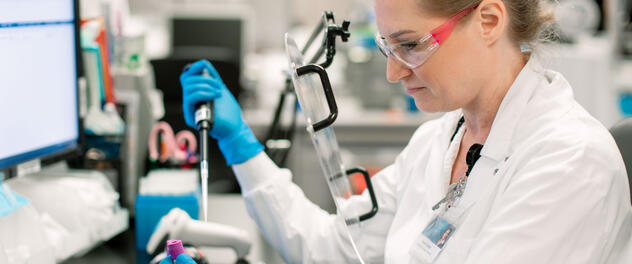
The Bipolar Disorder Biobank makes it easier to study bipolar disorder by collecting blood samples and data from thousands of people all in one place.
-

Open for participation
Volunteer study participants are essential to finding genetic risk factors and improving care for bipolar disorder.
About
The Mayo Clinic Bipolar Disorder Biobank is a resource for bipolar research. The biobank is open to collaborations and is seeking new participants.
About the biobank
The Bipolar Disorder Biobank contains information and blood samples from more than 2,500 people with bipolar type 1 or 2 disorder. It is a valuable resource for research to better understand bipolar disorder and make treatments easier to get and more likely to work. The biobank has been active for over a decade and keeps growing. It regularly receives new samples from collaborators across North and South America.
Joanna M. Biernacka, Ph.D., and Mark A. Frye, M.D., lead the Bipolar Disorder Biobank. Mayo Clinic in Rochester, Minnesota, is the primary project site. Other sites where people can join the biobank include:
- Lindner Center of HOPE in Ohio.
- Mayo Clinic in Arizona and Mayo Clinic in Florida.
- Universidad de los Andes in Chile.
- Universidad Autonoma de Nuevo Leon in Mexico.
It is important to represent all communities affected by bipolar disorder. We welcome collaboration with other institutions serving groups that are underrepresented or underserved. The Mayo Clinic Bipolar Disorder Biobank has a community advisory board that helps guide our efforts.
Advancing bipolar disorder research
This data-rich biobank helps researchers study topics such as disease risk and pharmacogenomics — the interactions between genes and drugs.
Participants and researchers are essential to pinpointing genetic risk factors for bipolar disorder. Research using data or samples from the biobank could lead to early treatments for people at risk of bipolar disorder, which could change how the disorder develops. This is particularly important because many people with bipolar disorder don't start treatment for more than 10 years after the disorder begins to develop. And people who have the earliest symptoms generally have the longest delays to get their first treatments, with worse outcomes as a result.
Finding drug-gene interactions could help predict which people will respond best to different treatments. This in turn could help doctors make better recommendations. It also could help prevent serious, potentially harmful events such as antidepressant-induced mania.
Participation
We encourage anyone who is interested in participating in the biobank to explore this website to understand what's involved. Once you've looked around, contact us with questions or to participate.