 Harnessing the potential of stem cells
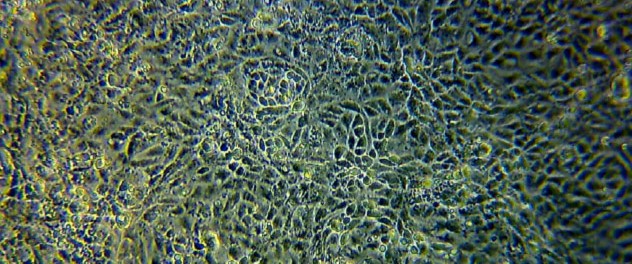
Cholangiocytes derived from induced pluripotent stem cells offer promising new possibilities for understanding biliary disorders. By creating these patient-specific liver cells, the lab can explore the genetic and epigenetic factors underlying biliary cell development and disease. These cells also offer a platform for individualized disease modeling and testing new therapies.
Overview
The Biliary Epigenetics and Regenerative Medicine Laboratory of Robert C. Huebert, M.D., at Mayo Clinic focuses broadly on mechanistic studies in liver disease. The lab focuses on understanding and treating the cholangiopathies, a diverse group of diseases targeting the biliary tree. The lab's research program seeks to understand the molecular mechanisms that drive biliary fibrosis, regeneration and repair, including the signaling pathways and epigenetic events that drive these processes.
Dr. Huebert's lab, which is funded in part by the National Institute of Diabetes and Digestive and Kidney Diseases, is dedicated to defining the molecular mechanisms of cholestatic fibrogenesis. The lab focuses on the epigenetic regulators and long noncoding RNAs that drive pathologic gene expression patterns.
In addition, the lab developed a novel method to derive cholangiocytes, the specialized epithelial cells that line the intrahepatic and extrahepatic bile ducts, from induced pluripotent stem cells. The induced pluripotent stem cells are like embryonic stem cells that can be created from skin cells after a simple skin biopsy, reprogrammed to pluripotency and then differentiated into subject-specific liver cells.
In collaboration with the Mayo Clinic Regenerative Medicine Biotrust and the Center for Cell Signaling in Gastroenterology (C-SIG), Dr. Huebert's lab populated a liver biobank, a biorepository of induced pluripotent stem cells from people with liver disease. This unique resource allows for individualized disease modeling, pharmacological testing and potentially cell therapy applications for chronic liver disease.